
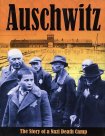
Title: Auschwitz
Author: Clive A. Lawton
Publisher: Candlewick Press
Genre: Non-Fiction
Number of Pages: 48 pages
Discovery of Book: Library Catalog
Reading Level:
Awards: Booklist, Bulletin of the center of Children's Books, Horn Book, Kirkus Review, School Library Journal starred, Voice of Youth Advocates
Summary: Auschwitz is a beautifully laid out book where each paid is covered in pictures that are accompanied with descriptions. The book shows the various parts of Auschwitz, the selection process for getting placed into work camps or gas chambers, and the liberation of the camps once the war was over. Aushwitz ends with the author showcasing how we know that the Holocaust and actions at Aushwitz actually existed and were not fabricated by Jews to gain sympathy.
Personal Connection: This book could easily have been told by pictures alone. Obviously the words help to explain the true events in each picture, but looking at them could cause tears to drip from your eyes. Each time I read about the Holocaust, the feeling of sadness rushes over me. After reading Auschwitz I felt much of the same. However, these feelings were magnified by the ending of the book, which describes why the Holocaust actually happened. It blows my mind that people can be so close-minded and naive to believe that the Holocaust is all a lie. The pictures, first hand accounts, and various legal documents prove time and time again that this wretched time period existed; and that human beings could truly be that inhuman to others of their kind.
Evaluation/Analysis: Auschwitz would be a perfect book for Middle Schooler's trying to decide if the Holocaust, was truly a holocaust, as per the definition. Students would be able to not only read about the events that occurred at Auschwitz, they would also be able to see pictures that accompany the multitude of explanations. The teacher could teach students how to do research with this story using primary sources. Another great teaching tool with this book would be to have students make collages of various time periods throughout history to help tell the story behind that specific event, just like Clive Lawton does in Auschwitz.
Author: Clive A. Lawton
Publisher: Candlewick Press
Genre: Non-Fiction
Number of Pages: 48 pages
Discovery of Book: Library Catalog
Reading Level:
Awards: Booklist, Bulletin of the center of Children's Books, Horn Book, Kirkus Review, School Library Journal starred, Voice of Youth Advocates
Summary: Auschwitz is a beautifully laid out book where each paid is covered in pictures that are accompanied with descriptions. The book shows the various parts of Auschwitz, the selection process for getting placed into work camps or gas chambers, and the liberation of the camps once the war was over. Aushwitz ends with the author showcasing how we know that the Holocaust and actions at Aushwitz actually existed and were not fabricated by Jews to gain sympathy.
Personal Connection: This book could easily have been told by pictures alone. Obviously the words help to explain the true events in each picture, but looking at them could cause tears to drip from your eyes. Each time I read about the Holocaust, the feeling of sadness rushes over me. After reading Auschwitz I felt much of the same. However, these feelings were magnified by the ending of the book, which describes why the Holocaust actually happened. It blows my mind that people can be so close-minded and naive to believe that the Holocaust is all a lie. The pictures, first hand accounts, and various legal documents prove time and time again that this wretched time period existed; and that human beings could truly be that inhuman to others of their kind.
Evaluation/Analysis: Auschwitz would be a perfect book for Middle Schooler's trying to decide if the Holocaust, was truly a holocaust, as per the definition. Students would be able to not only read about the events that occurred at Auschwitz, they would also be able to see pictures that accompany the multitude of explanations. The teacher could teach students how to do research with this story using primary sources. Another great teaching tool with this book would be to have students make collages of various time periods throughout history to help tell the story behind that specific event, just like Clive Lawton does in Auschwitz.

No comments:
Post a Comment